What is L-Carnitine L-Tartrate?
L-Carnitine L-Tartrate (LCLT) is a compound composed of L-Carnitine (an amino acid derivative) bound to tartaric acid. It's a popular form of carnitine often used in dietary supplements. L-Carnitine itself is naturally produced in the body and plays a crucial role in energy metabolism by facilitating the transport of fatty acids into the mitochondria, where they are burned for energy. LCLT is commonly taken as a supplement to support fat loss, exercise performance, muscle recovery, and potentially other health benefits.
Our Formulation
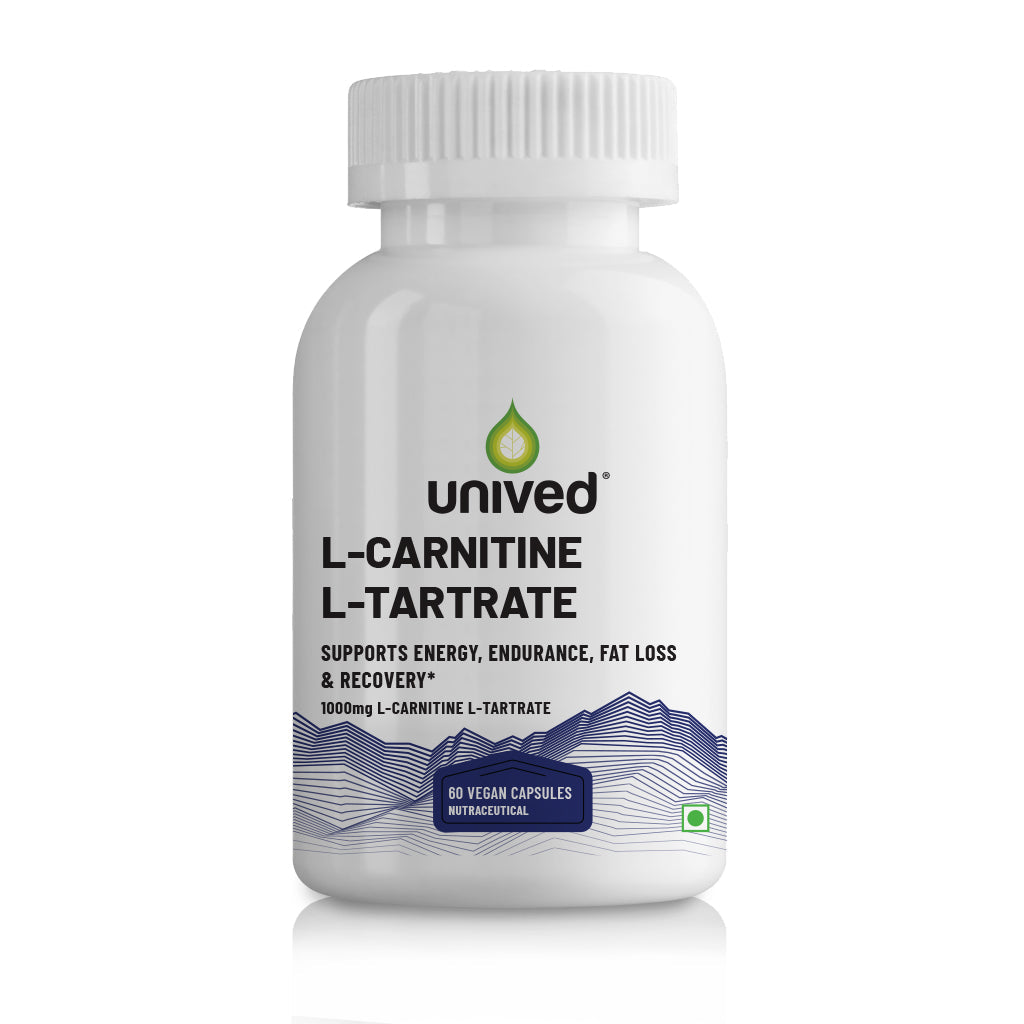
The Unived L-Carnitine L-Tartrate supplement contains 1000mg pure L-Carnitine L-Tartrate per serving, along with 100mg Chromium Picolinate.
Major Benefits:
Enhanced Fat Metabolism: LCLT facilitates the transport of fatty acids into mitochondria, where they are oxidized for energy production. This can potentially aid in fat loss and weight management.[1]
Improved Exercise Performance: LCLT supplementation may reduce muscle damage and fatigue during exercise, leading to enhanced endurance, strength, and overall performance.[2]
Faster Muscle Recovery: LCLT has been shown to decrease markers of muscle damage and soreness after intense exercise, promoting quicker recovery times and potentially allowing for more frequent or intense training sessions.[3]
Potential Testosterone Support: Some research suggests that LCLT supplementation may help maintain or increase testosterone levels, which is important for muscle growth, libido, and overall well-being.[4]
Cognitive Benefits: LCLT may have positive effects on brain function and mental clarity due to its role in energy metabolism within the brain, potentially improving cognitive performance.[5]
Heart Health Support: While more research is needed, LCLT may offer benefits for heart health, such as reducing inflammation and improving lipid profiles, contributing to overall cardiovascular well-being.[6]
References:
1. Pooyandjoo, M., Nouhi, M., Shab-Bidar, S., Djafarian, K., & Olyaeemanesh, A. (2016). The effect of (L-)carnitine on weight loss in adults: a systematic review and meta-analysis of randomized controlled trials. Obesity Reviews, 17(10), 970-976.
2. Ho, J. Y., Kraemer, W. J., Volek, J. S., Fragala, M. S., Thomas, G. A., Dunn-Lewis, C., ... & Maresh, C. M. (2010). l-Carnitine l-tartrate supplementation favorably affects biochemical markers of recovery from physical exertion in middle-aged men and women. Metabolism, 59(8), 1190-1199.
3. Volek, J. S., Kraemer, W. J., Rubin, M. R., Gómez, A. L., Ratamess, N. A., & Gaynor, P. (2002). L-Carnitine L-tartrate supplementation favorably affects markers of recovery from exercise stress. American Journal of Physiology-Endocrinology and Metabolism, 282(2), E474-E482.
4. Kraemer, W. J., Spiering, B. A., Volek, J. S., Ratamess, N. A., Sharman, M. J., Rubin, M. R., ... & Häkkinen, K. (2006). Androgenic responses to resistance exercise: effects of feeding and L-carnitine. Medicine & Science in Sports & Exercise, 38(7), 1288-1296.
5. Malaguarnera, M., Cammalleri, L., Gargante, M. P., Vacante, M., Colonna, V., & Motta, M. (2007). L-Carnitine treatment reduces severity of physical and mental fatigue and increases cognitive functions in centenarians: a randomized and controlled clinical trial. American Journal of Clinical Nutrition, 86(6), 1738-1744.
6. Derosa, G., Cicero, A. F. G., Gaddi, A., Mugellini, A., & Ciccarelli, L. (2003). The effect of L-carnitine on plasma lipoprotein(a) levels in hypercholesterolemic patients with type 2 diabetes mellitus. Clinical Therapeutics, 25(5), 1429-1439.


 Sale
Sale